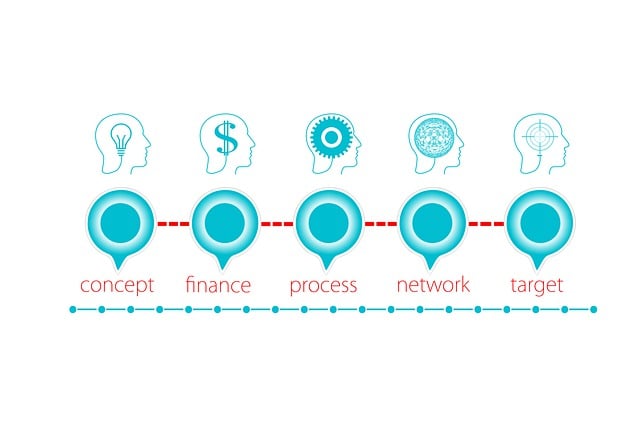
In today's real estate market, data-driven strategies are key to success. By collecting and analyzing government records, online listings, and local reports, professionals gain insights into property prices, vacancy rates, rental income, and population growth. Advanced analytics techniques like predictive modeling help identify trends, enabling swift strategy adaptation, precise market positioning, tailored marketing, and optimized investment portfolios. Continuous monitoring ensures strategies remain relevant and effective in a dynamic market. Real estate experts use data to anticipate changes, capitalize on opportunities, and position themselves as leaders.
In today’s data-driven world, the real estate sector faces a pivotal challenge: leveraging data effectively to adapt strategies and stay competitive. The traditional approach is no longer sufficient to navigate the complex landscape of buyer behaviors, market trends, and technological advancements. By embracing data as a strategic tool, industry professionals can unlock unprecedented insights, enabling them to make informed decisions and tailor offerings accordingly. This article delves into the art of adapting real estate strategies based on concrete data, providing valuable insights for experts seeking to stay ahead in this dynamic market.
Collect and Analyze Real Estate Data
In today’s data-driven world, real estate professionals can gain a significant edge by collecting and analyzing relevant market data. This strategic approach allows for adaptive strategies that cater to evolving trends and consumer behaviors. For instance, understanding historical sales figures, property values, and demographic shifts can provide valuable insights into future market dynamics. By leveraging advanced analytics tools, agents and investors can identify emerging patterns and make informed decisions.
Collecting real estate data involves gathering information from various sources such as government records, online listings, and local market reports. This data should encompass key metrics like property prices, vacancy rates, rental income, and population growth. Once collected, it’s crucial to analyze this data using sophisticated techniques including predictive modeling and trend analysis. For example, identifying areas with high growth potential can help investors make sound decisions, while understanding price appreciation rates can guide sellers in setting competitive listing prices.
Effective real estate data analysis enables professionals to adapt their strategies swiftly. It allows for precise market positioning, tailored marketing campaigns, and optimized investment portfolios. By staying ahead of the curve through data-backed insights, practitioners can capitalize on emerging opportunities and mitigate risks. Moreover, continuous monitoring of market dynamics ensures that strategies remain relevant and effective, fostering long-term success in a dynamic real estate landscape.
Identify Trends and Insights from Data
In today’s data-driven world, real estate professionals who adapt their strategies based on insights derived from data stand to gain a significant competitive edge. Identifying trends and extracting valuable insights from available data is a crucial step in this process. By carefully analyzing market trends, demographic shifts, and consumer behaviors, agents and investors can make informed decisions that align with evolving demands. For instance, a thorough examination of historical sales data may reveal a growing preference for eco-friendly homes, prompting a shift towards sustainable construction practices or the development of green spaces within properties.
Practical application of this strategy involves employing advanced analytics tools to sift through vast datasets—from property listings to census information—to uncover hidden patterns. These insights can shape various aspects of real estate operations, from pricing strategies and marketing campaigns to location choices and property development plans. For example, analyzing rental trends in a specific area could indicate a coming influx of young professionals, signaling the potential for lucrative investment opportunities in modern apartment complexes tailored to their preferences.
Real estate experts who embrace data-driven decision-making can anticipate market shifts, identify emerging trends, and position themselves as industry leaders. This approach ensures that strategies remain relevant and responsive to changing landscapes, fostering long-term success in a dynamic sector. By leveraging data effectively, professionals can make strategic moves that not only capitalize on current opportunities but also predict and prepare for future market conditions.
Implement Targeted Strategies Based on Analysis
In the dynamic realm of real estate, making informed decisions based on robust data analysis is a game-changer. Implementing targeted strategies derived from comprehensive datasets allows industry professionals to stay ahead in a competitive market. By scrutinizing market trends, demographic shifts, and consumer behaviors, investors and developers can identify lucrative opportunities and tailor their approaches accordingly. For instance, analyzing historical sales data might reveal emerging patterns suggesting high demand for properties with smart home technologies, prompting builders to incorporate these features into new developments.
Real estate experts leverage advanced analytics tools to gain a competitive edge. These tools enable in-depth analysis of various factors influencing property values and tenant preferences. For example, predictive models can forecast the impact of transportation infrastructure projects on nearby real estate, allowing investors to make strategic decisions early on. Additionally, demographic data offers valuable insights into community growth and changes, helping developers plan mixed-use projects that cater to evolving needs. Through such data-driven approaches, professionals can optimize their strategies, ensuring investments align with market realities and future trends.
Actionable advice for implementing targeted strategies includes establishing robust data collection processes, utilizing advanced analytics software, and fostering a data-centric culture within organizations. Regularly updating and analyzing datasets ensures that decisions remain current and relevant. Collaboration between data analysts, industry experts, and stakeholders is essential to interpret findings accurately and develop effective strategies. By embracing data-driven decision-making, real estate professionals can navigate complex markets with confidence, ultimately enhancing their success and contributing to a more efficient and dynamic sector.