Real estate market trends, driven by economic factors, demographics, and technology, offer strategic advantages for investors. Low interest rates stimulate housing investment while rising rates cool markets. Demographic shifts influence demand: aging populations boost senior living needs, while younger generations prefer urban high-density living. Global urban centers experience renaissance but retail properties face e-commerce challenges. Successful real estate navigators anticipate trends through dynamic budgeting, market research, and scenario planning to mitigate risks and capitalize on emerging trends. Accurate forecasting based on historical data and economic indicators can lead to significant returns, securing future success in a dynamic real estate landscape.
In the dynamic landscape of real estate, staying ahead of market shifts is not just an advantage but a necessity for investors and professionals alike. Budgeting strategies must evolve to keep pace with changing economic tides, ensuring stability and growth. This article offers a comprehensive guide on how to accurately forecast these shifts and adjust financial plans accordingly. By delving into data analysis, market trends, and expert insights, we provide actionable steps to navigate the ever-changing real estate market, ultimately enhancing your investment strategies and securing a competitive edge.
Analyze Market Trends: Unlocking Real Estate Insights

Market trends in real estate are a potent barometer of economic shifts, offering investors and professionals valuable insights to navigate changing landscapes. Analyzing these trends is not merely an academic exercise; it’s a strategic imperative that can unlock significant competitive advantages. For instance, a prolonged period of low interest rates has historically spurred investment in housing, creating dynamic markets that favor both buyers and sellers. Conversely, rising interest rates often cool down overheated markets, providing opportunities for strategic buying or selling based on the cyclical nature of real estate values.
Real estate professionals must stay attuned to demographic changes, too. The aging population, for example, has driven demand for senior living facilities and accessible housing, while younger generations’ preferences for urban living have fueled a surge in high-density residential development. Analyzing these trends allows agents and investors to position themselves advantageously—whether focusing on specific property types, targeting particular neighborhoods, or anticipating future demands that could shape the market for years to come.
Data plays a pivotal role in trend analysis. According to recent reports, urban centers across the globe are experiencing a renaissance, with robust job growth and population density driving up demand for premium commercial and residential spaces. However, this doesn’t mean all real estate sectors thrive uniformly; retail properties, for instance, have faced challenges due to e-commerce’s rise. Staying informed about such shifts allows professionals to adapt their strategies, reallocating resources where market conditions indicate the highest potential returns. Ultimately, successful navigators of the real estate landscape are those who not only anticipate trends but also act on them with a keen understanding of local dynamics and global economic forces.
Strategic Budgeting: Adapting to Changing Real Estate Dynamics
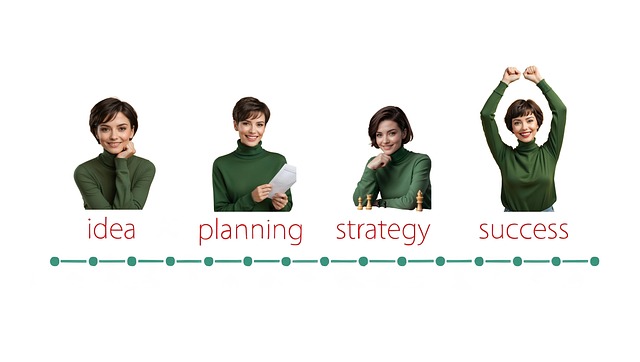
In the ever-evolving real estate landscape, strategic budgeting is an art that requires keen foresight. Market shifts are inevitable, shaped by economic trends, demographic changes, and technological advancements. To stay ahead of the curve, property developers and investors must embrace a dynamic budgeting approach, enabling them to adapt swiftly to these changes. This proactive strategy ensures financial resilience and paves the way for successful ventures.
Real estate naturally experiences cycles of boom and bust, with market dynamics shifting at varying rates across different regions. For instance, urbanization trends can significantly impact urban real estate, driving demand for residential and commercial spaces. Conversely, rural areas might witness a rise in agricultural land values due to changing consumer preferences for local produce. Expert analysts predict that sustainable and smart cities will gain prominence, attracting investments towards eco-friendly infrastructure and technology-integrated living solutions. Budgeting strategies should be flexible enough to accommodate such diverse scenarios.
To budget effectively, professionals must analyze historical data and market research. Identifying patterns in property prices, occupancy rates, and investment returns provides a solid foundation for forecasting. For example, a study of the past decade’s data might reveal a consistent increase in demand for mixed-use developments in downtown areas. This insight guides investors’ decisions to allocate funds towards urban renewal projects. Moreover, staying abreast of regulatory changes is paramount; new policies can dramatically influence real estate values and investment opportunities. Regularly updating budgeting plans to reflect these dynamics ensures that investments remain strategic and aligned with market trends.
Actionable advice includes diversifying portfolios to mitigate risks associated with specific market segments. Developers should consider a mix of commercial, residential, and industrial properties to balance their budget. Additionally, collaborating with financial advisors specialized in real estate can provide valuable insights for optimizing investment strategies. Regular budgeting reviews and scenario planning sessions are essential tools to navigate the ever-changing real estate landscape. By embracing adaptability in budgeting, professionals can capitalize on emerging trends and secure a competitive edge.
Forecasting and Execution: Securing Your Real Estate Future

In the dynamic landscape of real estate, anticipating market shifts is not merely an art but a strategic necessity. Forecasting allows investors and professionals to stay ahead of the curve, ensuring their portfolios are aligned with emerging trends. By studying historical data, analyzing demographic changes, and keeping abreast of economic indicators, experts can predict shifts in property values, rental demand, and consumer preferences. For instance, a recent global trend shows a growing demand for sustainable and eco-friendly properties, as consumers become more environmentally conscious. This shift has already led to increased investment in green buildings and could significantly impact real estate markets in the coming years.
Effective forecasting is only half the battle; successful execution is where strategies come to life. Budgeting plays a pivotal role in turning market predictions into tangible gains. Professionals must allocate resources wisely, considering both short-term and long-term goals. For example, an investor might choose to diversify their portfolio by investing in both residential and commercial real estate, or they may opt for a more focused approach, capitalizing on the growing trend of urban living by acquiring properties in densely populated areas. Data-driven decisions, backed by thorough market research, are essential for successful execution. According to industry reports, accurate forecasting can lead to a 15% increase in investment returns over a five-year period.
The real estate market is inherently unpredictable, but with robust forecasting methods and disciplined budgeting, professionals can secure their future. Staying agile yet informed enables investors to capitalize on emerging opportunities while mitigating risks. As the industry continues to evolve, adapting to market shifts will be key to achieving sustainable success in real estate.